Bruno Panucci RMT
Massage, Physio, or Chiro: Which Does Your Body Need?
Quick answer: Massage therapy, physiotherapy, and chiropractic are all regulated health professions in Ontario, and you can book any of the three directly, no referral required. Registered Massage Therapy treats muscle and soft-tissue pain and tension hands-on, physiotherapy rebuilds movement and strength through exercise-led rehabilitation, and chiropractic centres on joint and spinal care. Bruno Panucci RMT offers massage therapy in Brantford at $115 per 60 minutes, and refers people out when another profession is the right fit. This page is general information, not medical advice.
People search massage vs physio vs chiro because a sore body does not come with instructions, and all three doors look plausible. Massage therapy, physiotherapy, and chiropractic are three separately regulated health professions in Ontario, each with its own legislation and its own regulatory college. Bruno Panucci RMT has practised massage therapy for 25 years, is registered with the College of Massage Therapists of Ontario (CMTO), and serves Brantford and Brant County from his in-home practice. If massage turns out to be your door, what Bruno’s RMT sessions include covers sessions and pricing.
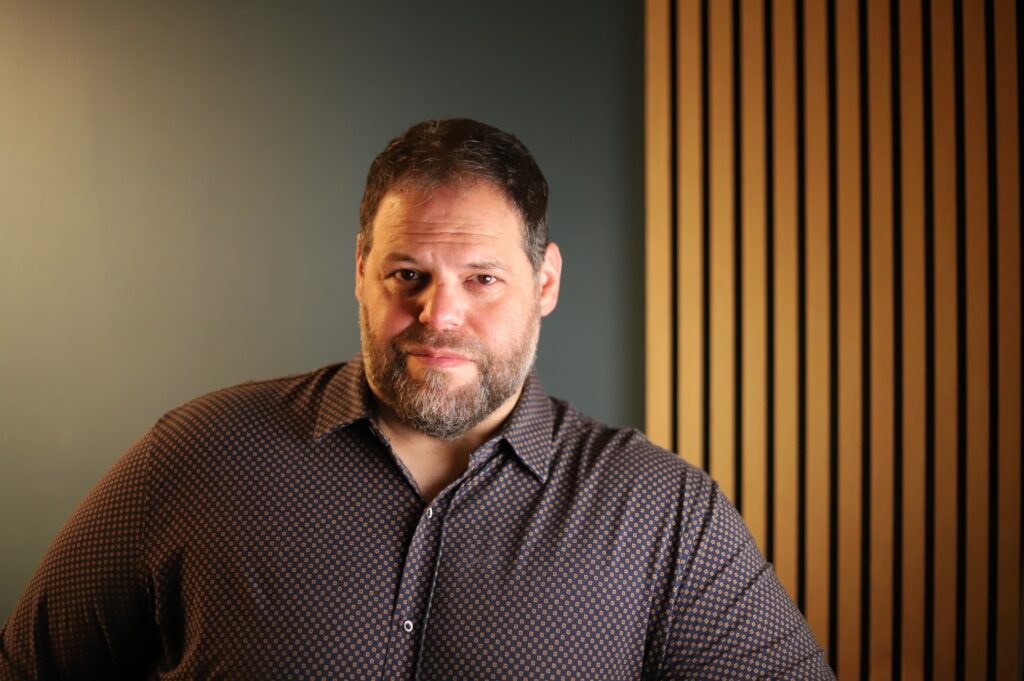
Bruno Panucci RMT, 25 years of practice: “I refer out regularly, and I always have. A knee out of surgery needs a strengthening plan, so that person goes to physio. Someone who wants their spine assessed and adjusted wants a chiropractor, not me. If a therapist of any kind talks like their profession fixes everything, that should worry you. It means they have stopped asking what you actually need. Massage is my trade, not a universal answer, and 25 years in I am more sure of that, not less.”
In short: massage therapy, physiotherapy, and chiropractic are three separately regulated Ontario health professions. Massage therapists work hands-on with muscle and soft tissue, physiotherapists lead recovery through movement and exercise, and chiropractors focus on joint and spinal care. All three take direct bookings, and most benefits plans fund each profession separately.
6 min read
What do massage therapy, physiotherapy, and chiropractic each do?
Massage therapy, physiotherapy, and chiropractic treat the same human body, and the clearest way to tell them apart is scope. Under Ontario’s Massage Therapy Act, 1991, massage therapy is the assessment of the body’s soft tissue and joints and the treatment and prevention of physical dysfunction and pain, delivered hands-on. Under the Physiotherapy Act, 1991, physiotherapy covers assessment, the diagnosis of disorders tied to dysfunction, injury, or pain, and treatment through rehabilitation, a profession built around movement and staged recovery. Under the Chiropractic Act, 1991, chiropractic covers the assessment of conditions related to the spine, nervous system, and joints, with treatment primarily by adjustment. They are different tools, separately regulated, and often used side by side. The broader question of whether massage actually works is answered honestly on its own page. If you are starting from what RMT stands for, there is a plain-language explainer. A fourth comparison, massage versus acupuncture, gets the same honest treatment.
| Profession | Typical focus | Common first-visit reason | Regulated by | Benefits line |
|---|---|---|---|---|
| Massage therapy (RMT) | Hands-on treatment of muscle, soft tissue, and joints | Muscle tension, stress, general soreness, maintenance | College of Massage Therapists of Ontario | Usually its own annual massage amount |
| Physiotherapy | Movement, rehabilitation, exercise-led recovery | Post-surgical rehab, structured injury recovery | College of Physiotherapists of Ontario | Usually its own annual physiotherapy amount |
| Chiropractic | Joint and spinal assessment, treatment primarily by adjustment | Joint-focused care, spinal concerns | College of Chiropractors of Ontario | Usually its own annual chiropractic amount |
When is massage therapy the natural first stop?
Massage therapy tends to be the natural first stop when the problem lives in muscle and soft tissue: shoulders tightened by desk work, stress settled into the neck and jaw, general soreness from training or a physical job, or the maintenance of a hard-used body. At Bruno Panucci RMT’s in-home practice in Brantford that includes deep-tissue and therapeutic work, relaxation massage, lymphatic drainage, and TMJ and jaw-tension massage, all Registered Massage Therapy. The pressure is yours to choose, from soft through medium to deep, and you can adjust it, or stop, at any time. Massage does not diagnose conditions or run structured rehab programs, and an honest massage therapist says so. On self-cracking a stiff neck, there is a plain-spoken safety page.
When does physiotherapy tend to fit first?
Physiotherapy tends to fit first when recovery needs a plan. After surgery, a knee replacement or a shoulder repair, the work is rebuilding strength and range in measured stages, and physiotherapists are trained and regulated for exactly that. The same logic covers structured injury recovery: an ankle that needs progressive loading before sport, or a nagging problem where the long-term answer is strength and graded exercise. That is physiotherapy’s craft, and it is the profession a surgeon or family physician most often names in a post-operative plan. Bruno has spent 25 years sending Brantford clients to physiotherapy with the same honest sentence: you do not need more massage, you need a plan.
When does chiropractic tend to fit?
Chiropractic tends to fit people specifically seeking joint-focused care, most often around the spine. Ontario’s Chiropractic Act, 1991 frames the scope around assessing conditions related to the spine, nervous system, and joints, and treating them primarily by adjustment. People who choose chiropractic first usually know it is what they want: they describe the problem in joint terms, a spot that feels stuck rather than a tight muscle, or adjustment-based care has suited them before. Like Registered Massage Therapists and physiotherapists, chiropractors complete their own assessment and refer out when a case is not theirs.
What about the overlap? All three treat backs
The overlap is real: all three professions see backs, necks, and shoulders, and a person with low back pain could walk through any of the three doors and be helped. Pretending otherwise is where marketing outruns honesty. Many people use two professions together; massage alongside physiotherapy is a common pairing, and chiropractic pairs with massage for people who want joint-focused and soft-tissue care at once. If you combine care, tell each provider what the other is doing. One anchor holds: diagnosis belongs with your physician. New, severe, or unexplained symptoms, numbness, weakness, or pain after real trauma belong with a doctor first.
How do referrals and benefits plans treat the three in Ontario?
The practical Ontario details are friendlier than expected. All three professions are direct access: you can book a massage therapist, physiotherapist, or chiropractor yourself, with no physician referral required for treatment. Some extended health plans want a doctor’s note before they reimburse, a plan rule rather than a law, and the guide to referrals and plan rules shows how to check yours. Most plans also carry a separate annual amount for each profession, so using your massage benefits does not drain your physiotherapy money. Plans vary, so confirm your own booklet. If massage is the fit, Bruno Panucci RMT charges $115 for 60 minutes at his Brantford in-home practice, a rate kept fair by low overhead, with receipts most extended health plans accept.
Frequently asked questions
Do I need a doctor’s referral to see an RMT, physiotherapist, or chiropractor in Ontario?
No. All three are direct-access regulated health professions in Ontario, so you can book any of them yourself. The exception is insurance: some plans want a physician’s note before they reimburse, so check your plan’s rule first.
Can I see a massage therapist and a physiotherapist at the same time?
Yes, and it is common. A typical pairing is physiotherapy handling structured rehab while massage therapy eases the muscle tension around it. Tell each provider what the other is doing.
Does using my massage benefits reduce my physiotherapy coverage?
Usually not. Most Ontario extended health plans give each profession its own annual amount, so massage therapy, physiotherapy, and chiropractic each draw from a separate pool. Plans vary, so confirm your own benefits booklet.
How do I know if massage is the right first stop for me?
If the problem feels muscular, tension, stress, or general soreness, massage is a reasonable start. For post-surgical rehab or undiagnosed symptoms, physiotherapy or your physician is the natural starting point. Bruno Panucci RMT in Brantford refers people out when massage is not the fit.
Book a massage with Bruno in Brantford
If massage is the door your body needs, Bruno Panucci RMT provides Registered Massage Therapy at his in-home practice in Brantford, serving Brant County including Paris, St. George, Mt. Pleasant, and Burford, with occasional mobile visits on request. Sessions are $115 for 60 minutes, receipts work with most extended health plans, and direct billing is available for most insurers.
Text Bruno at 519-753-5544 (he prefers texts), call the same number, or book online. Need a time the calendar does not show, or a 90 minute or two hour session? Text him directly. He can often rearrange to fit you in, sometimes the same day.
A note on scope: This page is general information, not medical advice. It maps what three regulated Ontario health professions do; it does not diagnose or rank one profession above another. For new, severe, or unexplained symptoms, speak with your physician first. Bruno Panucci is a Registered Massage Therapist and works within current RMT scope of practice.
Related reading
- choosing among providers, practically
- series length, honestly
- the back pain everyone shares
- quick practice answers
Sources
- Government of Ontario. Massage Therapy Act, 1991, S.O. 1991, c. 27. ontario.ca/laws/statute/91m27
- Government of Ontario. Physiotherapy Act, 1991, S.O. 1991, c. 37. ontario.ca/laws/statute/91p37
- Government of Ontario. Chiropractic Act, 1991, S.O. 1991, c. 21. ontario.ca/laws/statute/91c21
- College of Massage Therapists of Ontario, Standards of Practice.