Bruno Panucci RMT
Why Are My Muscles Always Tight? The Honest Answers
Quick answer: Muscles that always feel tight are usually not short muscles that need to be forced loose. Chronic tightness is most often a nervous-system and load story: stress, long hours in one posture, poor sleep, and muscles asked to do more than their current strength allows. Massage therapy can calm that feeling and ease the symptoms, while movement and strength do the long-term work. Bruno Panucci RMT offers Registered Massage Therapy in Brantford at $115 for 60 minutes. This page is general information, not medical advice.
Chronic muscle tightness is one of the most common reasons people book Registered Massage Therapy, and one of the most misunderstood. The sensation of tightness is produced by the nervous system, which sets muscle tone moment to moment based on stress, fatigue, and what it thinks the body needs to guard. Bruno Panucci RMT has spent 25 years working on tight shoulders, necks, and backs at his in-home practice in Brantford, serving Brant County including Paris, St. George, Mt. Pleasant, and Burford. Much of that tightness traces back to desk posture, unmanaged stress, and short sleep rather than any structural flaw, which is why massage for stress and tension is so often the right booking even when the complaint sounds purely muscular.
Bruno Panucci RMT, 25 years of practice: “The question I hear most is why does it keep coming back. Here is the honest answer: your muscles are not broken, and they are not permanently short. Your nervous system is holding them at a higher idle because of stress, posture, or fatigue. I can turn that idle down on the table, and that relief is real. But if the week that made you tight repeats itself, the tightness repeats too. Massage plus movement beats massage alone, every time, and I would rather tell you that than sell you an endless fix.”
In short: constant muscle tightness is usually a protective setting of the nervous system, driven by stress, sustained postures, poor sleep, and deconditioning, not shortened tissue that must be forced apart. Hands-on treatment can ease the feeling and calm the system, while regular movement and strength training address the underlying causes over time.
6 min read
What does muscle tightness actually mean?
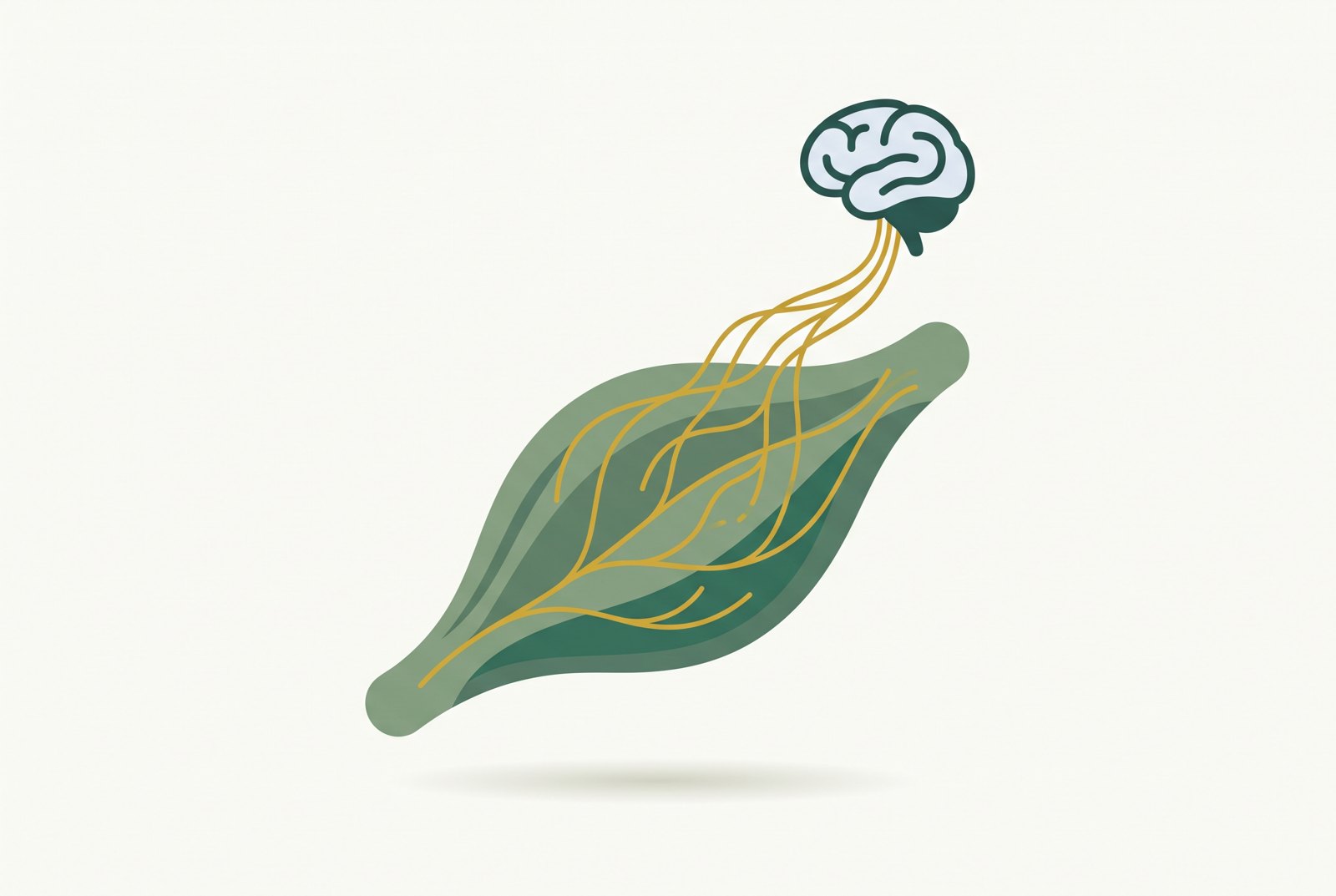
Muscle tightness is a sensation, not a precise measurement. A muscle that feels tight is not necessarily short, and a flexible person can feel tight while a stiff one feels fine. What the feeling usually reflects is elevated muscle tone: the low-level contraction your nervous system maintains in a muscle at rest. When the system reads stress, fatigue, or a posture held too long, it raises that resting tone as a kind of guarding, and you experience it as tightness, heaviness, or a band that will not let go. This is why the research on muscle tone treats it as a nervous-system property. Even in spastic cerebral palsy, where muscle tone is dramatically elevated by a neurological condition, a crossover trial in children and young people found traditional Thai massage had a positive effect on gait scores compared with routine physical therapy (Lertwiram and colleagues, 2025). That study measured gait performance rather than lasting change in tone itself, but it shows hands-on work being tested seriously even in a population where tone runs high. The familiar tender spots that come with tightness have their own page on what muscle knots are and how massage addresses them.
Why are your muscles tight all the time?
Muscles that are always tight almost always have an always-on cause. In 25 years of practice in Brantford, Bruno Panucci RMT sees the same short list behind most chronic tightness, and none of it is a mystery of anatomy.
Stress that never switches off
Ongoing stress keeps the nervous system in a ready state, and ready muscles are tense muscles. Shoulders, neck, and jaw carry it most visibly.
One posture, many hours
Desk work, driving, and phone use hold the same muscles in the same shortened or stretched position all day. The body adapts by guarding, and guarding feels tight.
Poor sleep
Short or broken sleep leaves muscles under-recovered and the nervous system more protective. Many people notice their tightest mornings follow their worst nights.
Deconditioning and overload
Muscles asked to do more than their current strength allows tighten up in self-defence. This covers both the sedentary body facing a demanding weekend and the trained body without enough recovery.
Sport science shows how quickly load drives tightness. In a randomized crossover trial with 30 male MMA fighters performing repeated jump sets to exhaustion, muscle stiffness and tension rose measurably with fatigue, and brief dry massage during rest breaks was the most effective intervention tested at limiting those increases and preserving elasticity (Trybulski and colleagues, 2025). That was an acute study of athletes, not office workers, but the mechanism is the everyday one: load without recovery raises tension, and hands-on work can moderate it. Posture-driven tension from desk work has its own dedicated guide on massage and posture-related tightness.
What can massage realistically change about tight muscles?
Massage therapy changes the feeling and the moment, honestly and usefully, without changing your job, your desk, or your sleep. On the table, sustained hands-on work gives the nervous system a strong, safe input that lets it lower resting tone; most people stand up feeling looser, lighter, and calmer. Massage does not cure any condition, does not lengthen muscle permanently, and does not flush toxins, and Bruno would rather say that plainly than promise more than the table can deliver. What it does is ease symptoms, restore comfortable movement for a stretch of days or weeks, and interrupt the tension-pain-more-tension loop long enough for better habits to take hold. At Bruno’s in-home practice the pressure is always your choice, from soft through medium to deep, with the deepest work available on request and never the default. You set the pressure, and you can adjust it, or stop, at any time. Forcing a guarded muscle harder is not more effective; a nervous system that feels safe lets go, one that feels attacked grips tighter.
What fixes chronic tightness long term?
Long-term relief from chronic tightness comes from changing the inputs: regular movement, progressive strength work, better sleep, and managed stress, with massage as support rather than the whole plan. The research points the same direction. A six-week randomized clinical trial in 32 women with chronic low back pain found that combining self-myofascial release with Pilates produced more pronounced improvements in pain and muscle stiffness than Pilates alone (Ha and colleagues, 2026). That is soft-tissue work plus structured exercise outperforming exercise by itself, in that specific population, and it matches what Bruno tells Brantford clients: the table work and the training work are partners. A practical rhythm many clients settle into is a massage every few weeks while they build a walking, stretching, or strength habit between visits. Stronger muscles tolerate more load before they guard, and a calmer baseline nervous system guards less. The value angle is honest too: at $115 for 60 minutes, with receipts most extended health plans accept, supporting a movement habit with periodic Registered Massage Therapy is a realistic long-term arrangement rather than a luxury.
When does tightness deserve a physician visit instead?
Tightness that behaves strangely belongs with your physician before it belongs on a massage table. See a doctor first if tightness is severe and constant regardless of activity or rest, arrived suddenly without any change in load, comes with numbness, tingling, or weakness, follows an injury or accident, or travels with unexplained symptoms such as fever, night pain, unexplained weight loss, or swelling in one limb. Persistent whole-body tightness or cramping can occasionally signal medication effects, electrolyte issues, or neurological and rheumatological conditions that need diagnosis, and diagnosis is outside Registered Massage Therapy scope. Bruno Panucci RMT is direct about this in his Brantford practice: he treats muscle and soft tissue, and when a pattern does not read like ordinary tension, he says so and routes people to their physician. Massage can sit comfortably alongside medical care afterward, once the question of what is going on has a proper answer.
Frequently asked questions
Why do my muscles feel tight even though I stretch every day?
Because chronic tightness is usually elevated muscle tone set by the nervous system, not short tissue. Stretching feels good but does not remove the drivers: stress, sustained postures, poor sleep, and muscles working beyond their current strength. Pairing movement and strength work with stress management usually helps more than stretching alone.
Can massage permanently loosen tight muscles?
No, and Bruno tells clients this directly. Massage eases the feeling of tightness and can calm the nervous system for days or weeks, but it does not permanently lengthen muscle or cure anything. Lasting change comes from regular movement, strength, sleep, and stress habits, with massage as support.
How often should I get a massage for chronic tightness?
There is no single right schedule. Many people with ongoing tension settle into a session every few weeks while building movement habits between visits. Bruno Panucci RMT adjusts frequency with each Brantford client based on how long relief holds, rather than selling a fixed package. He does not sell packages or memberships at all.
Is constant muscle tightness ever a sign of something serious?
Occasionally, yes. Tightness with numbness, weakness, fever, night pain, unexplained weight loss, one-sided swelling, or that appears suddenly without a change in activity should be assessed by a physician first. Most everyday tightness is stress and load related, but unexplained patterns deserve a diagnosis before massage.
Book a massage for tight muscles in Brantford
If your shoulders, neck, or back have been carrying tension for months, Bruno Panucci RMT provides Registered Massage Therapy at his private in-home practice in Brantford, serving Brant County including Paris, St. George, Mt. Pleasant, and Burford, with a limited number of mobile visits on request. Sessions are $115 for 60 minutes, the pressure is yours to choose from soft through medium to deep, and receipts work with most extended health plans, with direct billing available for most insurers.
Text Bruno at 519-753-5544 (he prefers texts), call the same number, or book online. Need a time the calendar does not show, or a 90 minute or two hour session? Text him directly. He can often rearrange to fit you in, sometimes the same day.
A note on scope: This page is general information, not medical advice. Registered Massage Therapy can ease the feeling of muscle tightness and support comfort and movement, but it does not diagnose, treat, or cure any condition. If tightness comes with numbness, weakness, fever, night pain, or other unexplained symptoms, or appears suddenly without cause, see your physician first. Bruno Panucci is a Registered Massage Therapist (RMT), and works within current RMT scope of practice.
Related reading
Sources
- Ha D, Jung J, Lee S. Improving muscle function and quality of life in women with chronic low back pain through combined self-myofascial release and Pilates: A randomized clinical trial (CONSORT). Medicine, 2026. doi.org/10.1097/md.0000000000046971
- Trybulski R, Stanula A, Vovkanych A, Muracki J, Wang HK, Kużdżał A. Immediate effect of ice and dry massage during rest breaks on recovery in MMA fighters: a randomized crossover clinical trial study. Scientific Reports, 2025. doi.org/10.1038/s41598-025-97194-x
- Lertwiram P, Angsanuntsukh C, Supapitanon K, et al. The effect of traditional Thai massage vs routine physical therapy on gait pattern in spastic cerebral palsy: A cross-over randomized controlled trial. PLOS ONE, 2025. doi.org/10.1371/journal.pone.0325169
- College of Massage Therapists of Ontario, Standards of Practice.
- Government of Ontario. Massage Therapy Act, 1991, S.O. 1991, c. 27. ontario.ca/laws/statute/91m27